Ten markets and street-food districts
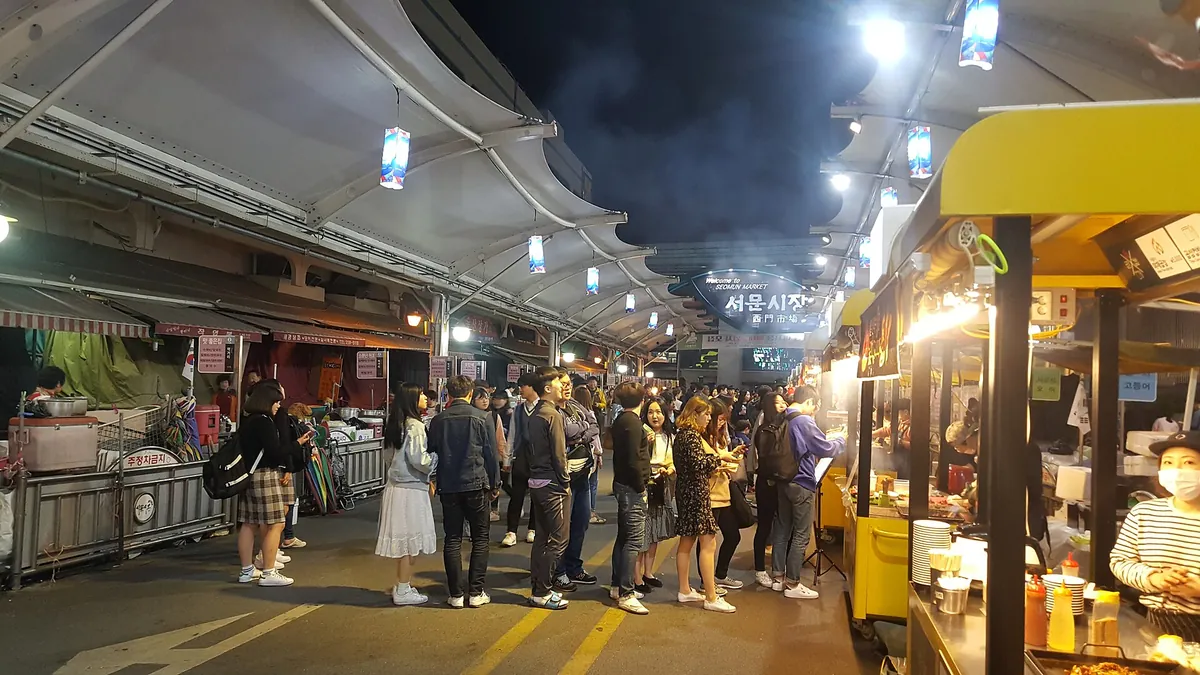
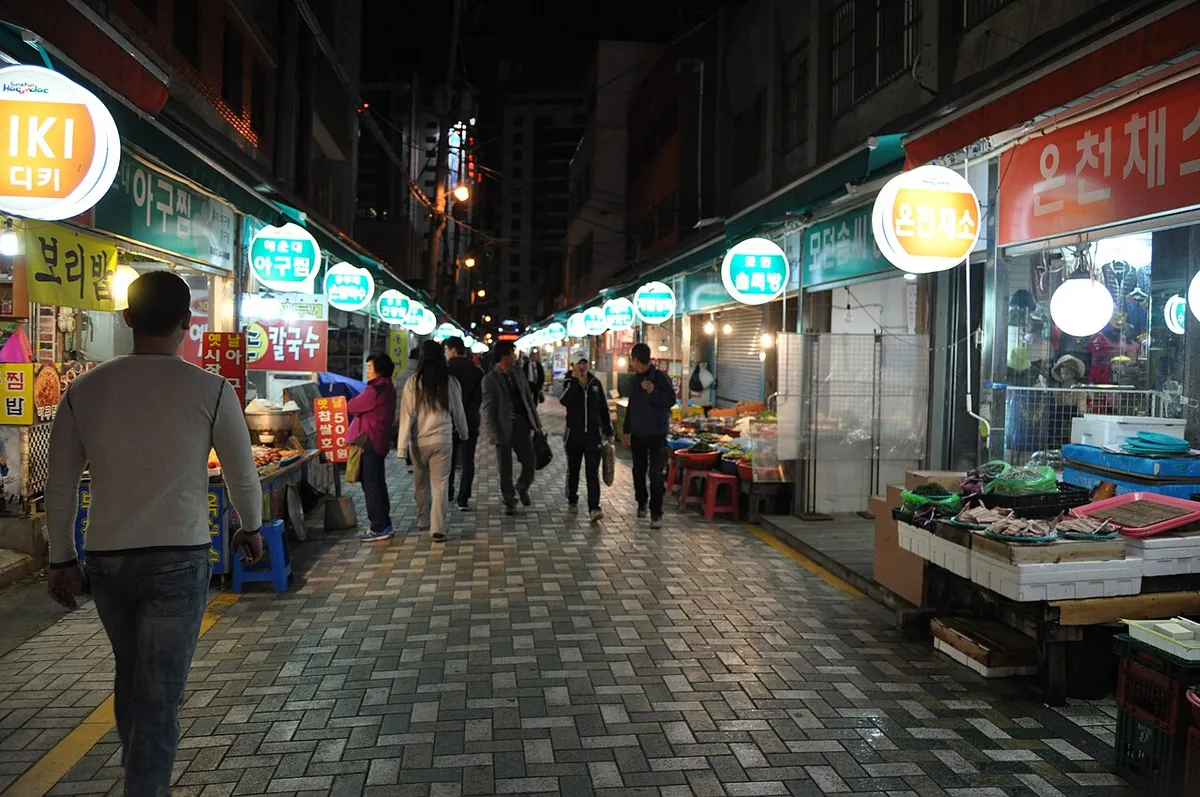
Choose by food or shopping interest and select the market name for access and operating information. Check daytime shops and night stalls separately.
| Market | Area | Food and shopping highlights |
|---|---|---|
| Namdaemun Market | Seoul | Clothes, everyday goods and kalguksu alley |
| Gwangjang Market | Seoul | Mung bean pancakes, gimbap and food alleys |
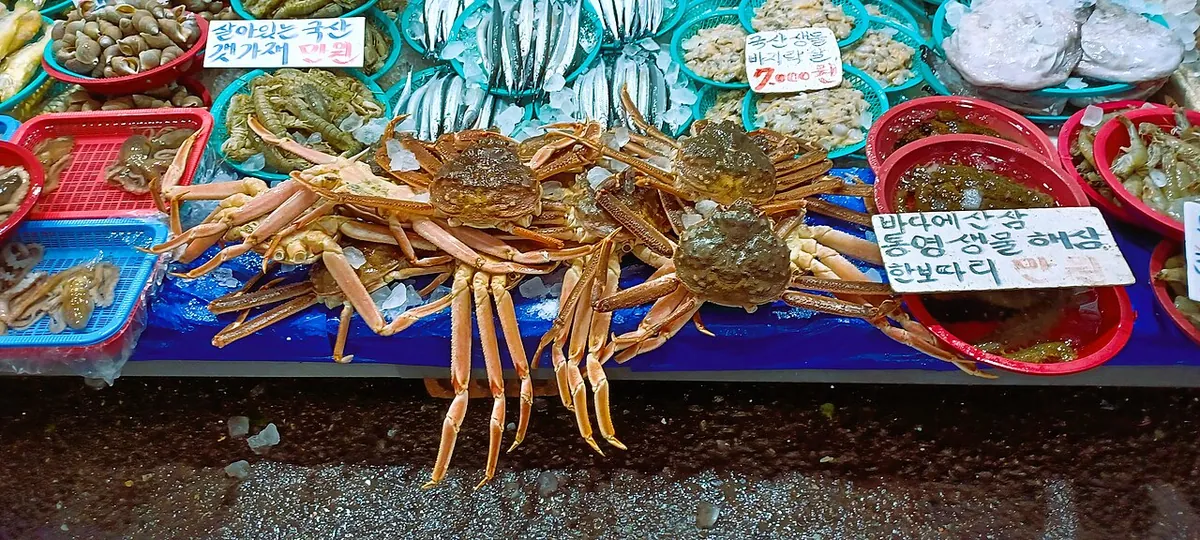
| Jagalchi Market | Busan | Live fish, dried seafood and seafood meals |
| Dongdaemun Shopping Complex | Seoul | Fabrics, hanbok and jewellery-making supplies |
| Gukje Market | Busan | General goods, kitchenware and alley shopping |
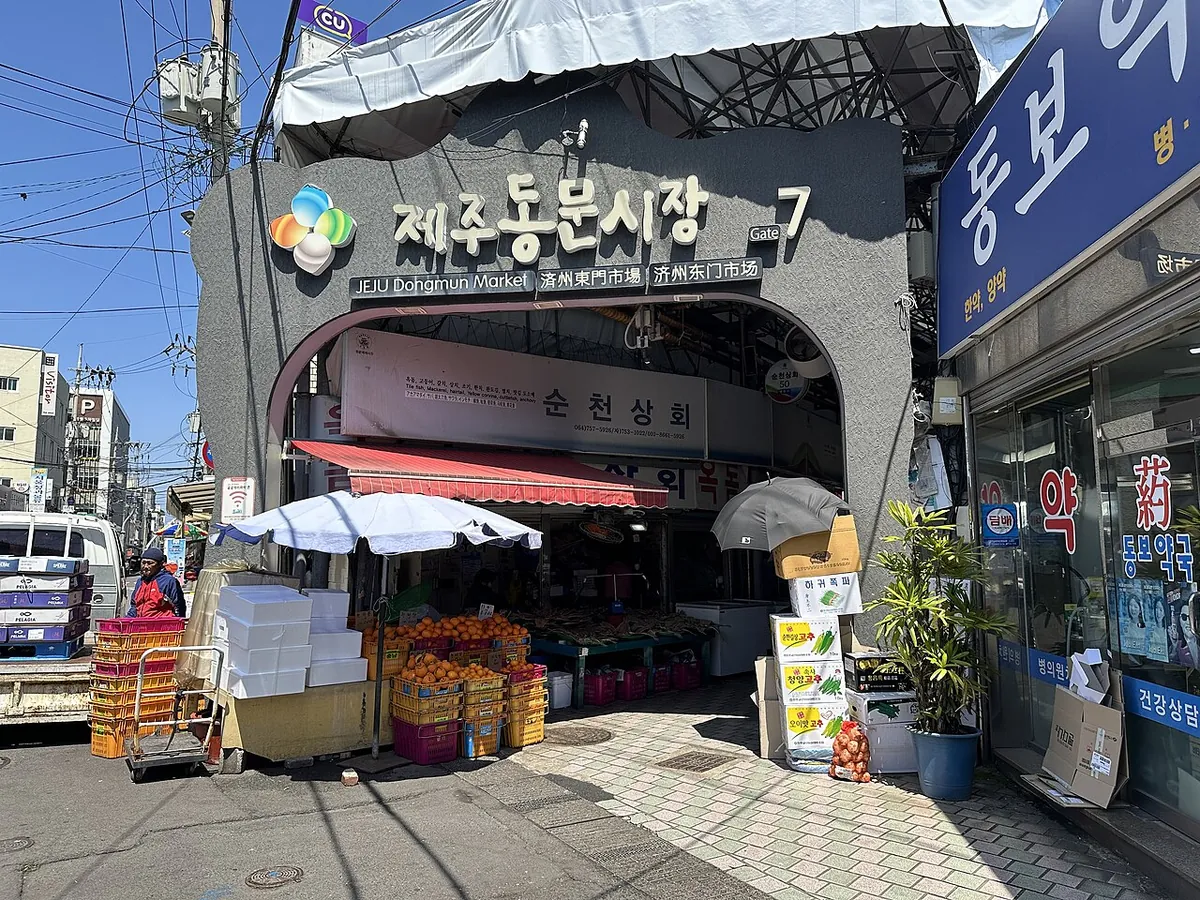
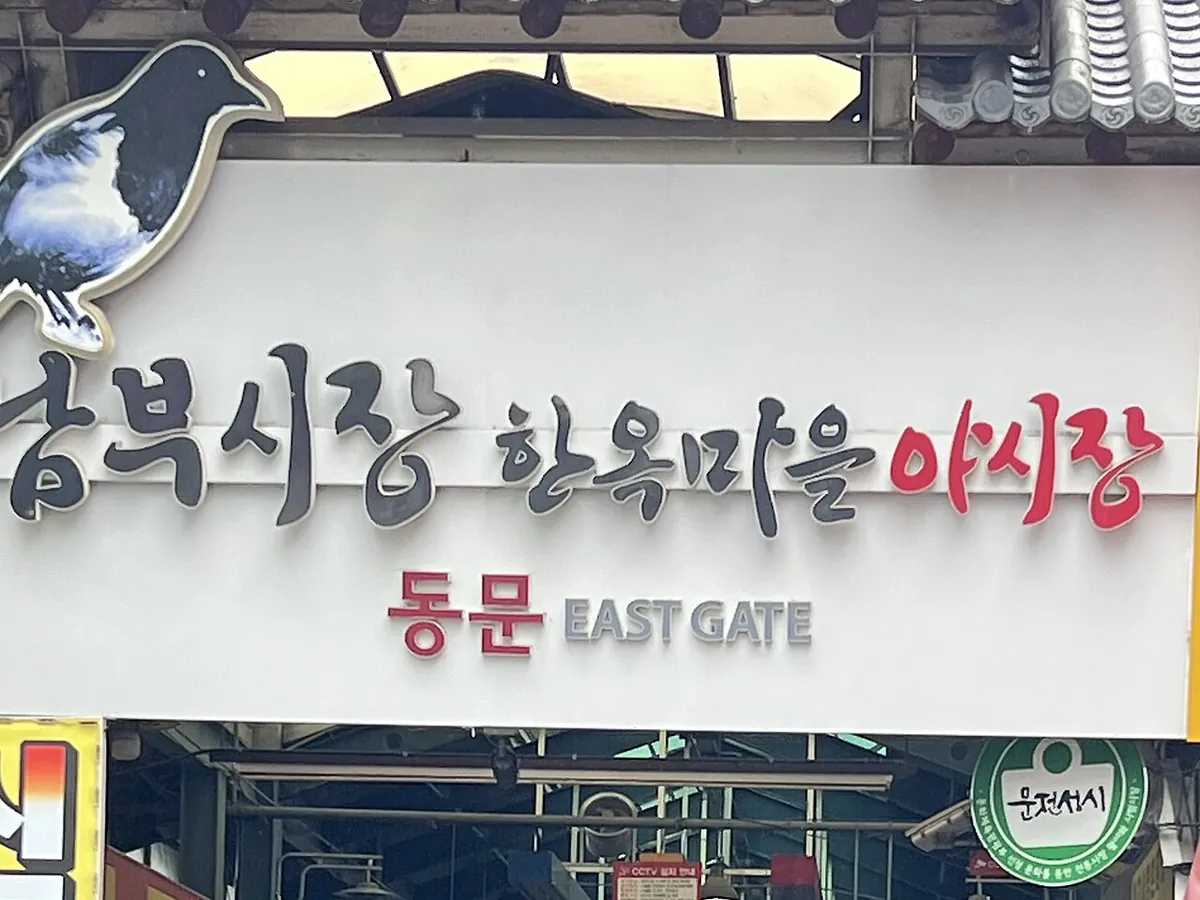
| Dongmun Traditional Market | Jeju | Jeju specialties and night market food |
| Bupyeong Kkangtong Market | Busan | Evening night market and freshly cooked snacks |
| Mangwon Market | Seoul | Sweet crispy chicken, croquettes and neighbourhood shopping |
| Myeongdong Night Market and street food | Seoul | Evening street stalls in the Myeongdong shopping district |
| Tongin Market | Seoul | Oil-fried tteokbokki, side dishes and token lunchboxes |
A few good questions
Do daytime shops and night markets keep the same hours?
Daytime shops and night stalls can keep different hours and closing days. Check the official market link and contact any shop you particularly want to visit.
How do I read five-day market dates?
The listed numbers are dates within each month. For example, a 2-and-7 market runs on the 2nd, 7th, 12th, 17th, 22nd and 27th. Check permanent shop hours and night stalls separately.
Can I pay with an overseas card at a market?
Payment methods vary by vendor. Ask whether they accept overseas cards before ordering, and carry a little Korean cash if needed. Confirm the total before paying for seafood or larger packages.